Daimei Yiyuan


2026 Women’s Fashion Trends
The global women’s apparel industry continues to evolve rapidly in 2026, driven by changing consumer lifestyles, digital retail expansion, and growing demand for high-quality yet practical fashion. Industry experts point out that modern consumers are no longer pursuing fashion alone — comfort, sustainability, fast delivery, and versatile styling have become equally important purchasing factors.
In recent years, lightweight dresses, minimalist commuting wear, soft neutral colors, and relaxed tailoring have gained strong popularity across Europe, North America, and Asian markets. Consumers increasingly prefer garments that can transition seamlessly between office, travel, leisure, and social occasions. As a result, brands and manufacturers are accelerating the development of multifunctional and seasonless collections.

At the same time, the rise of fast-response supply chains is reshaping the global garment industry. Buyers now expect shorter production cycles, flexible minimum order quantities, and stable delivery schedules. This trend has pushed more apparel factories to upgrade warehouse systems, digital management processes, and integrated production capabilities.
Sustainability also remains one of the most discussed topics within the fashion industry. More companies are adopting environmentally friendly fabrics, reducing unnecessary packaging, and optimizing manufacturing efficiency to lower waste and energy consumption. Industry analysts believe that low-carbon production and responsible sourcing will become increasingly important in future international cooperation.
Cross-border e-commerce and social media marketing continue to create new opportunities for apparel brands worldwide. Through platforms such as independent websites, B2B marketplaces, and online retail channels, fashion manufacturers are reaching broader global audiences more efficiently than ever before.
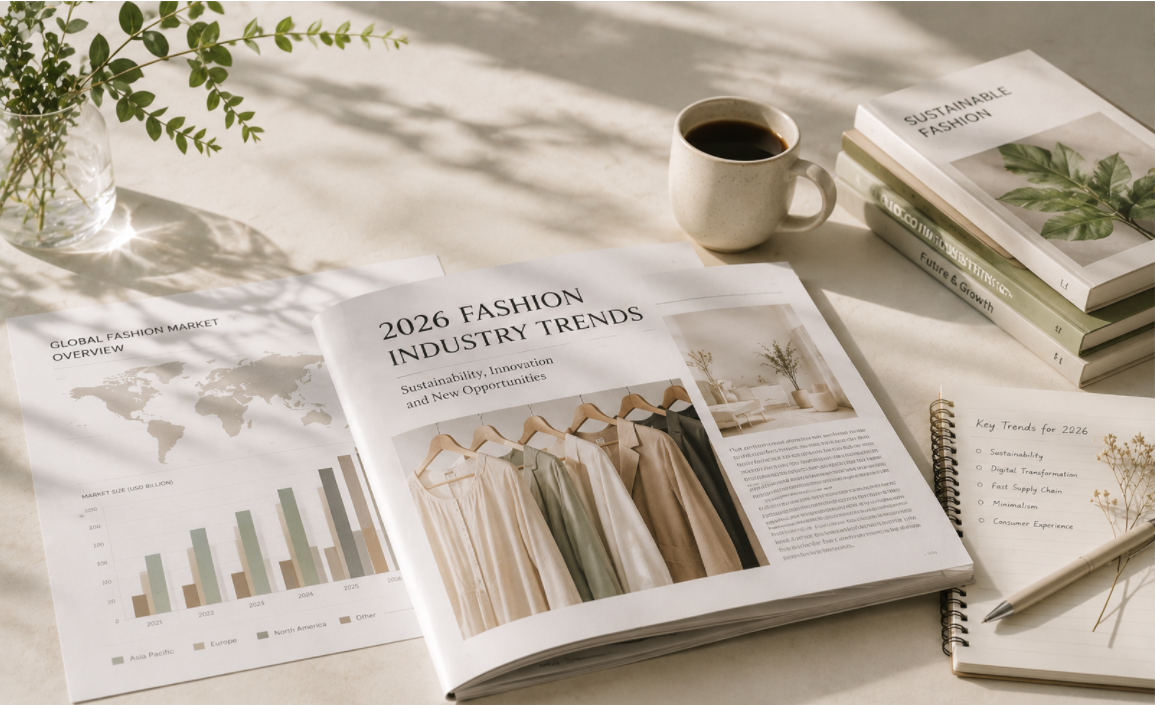
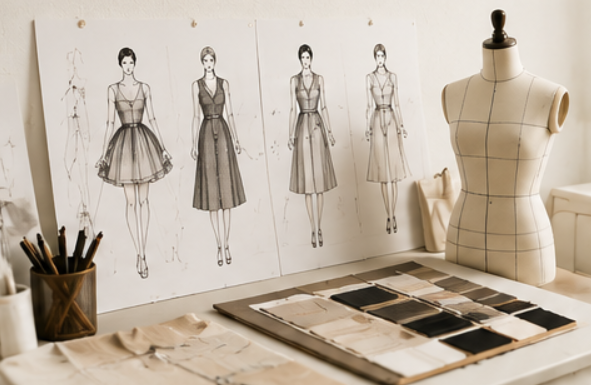
As consumer expectations continue to rise, the future of the women’s apparel industry will rely heavily on original design capability, product quality, supply chain efficiency, and brand identity. Enterprises that can combine creativity with manufacturing strength are expected to gain greater competitive advantages in the international market.